Language

Complete your Pokédex with Pokémon TCG cards

  • Organize your collection by number
  • Fill gaps without obsessing over sets
  • Progress while enjoying the journey
  • Without frustration or breaking the bank!
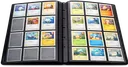
Open Pokémon card binder
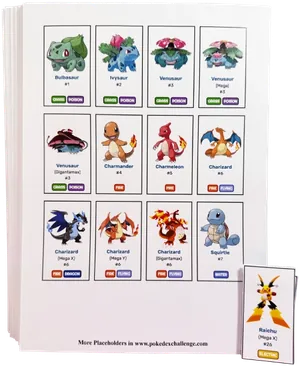
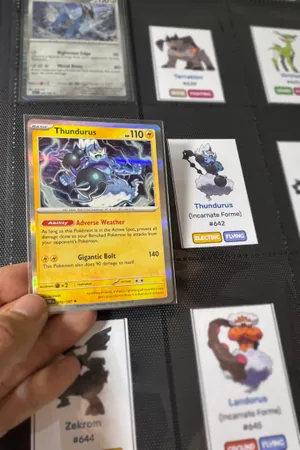
Preview of printed placeholders

The problem (why this exists)

Today, completing a full collection/set can be painful: stock disappears, prices get inflated, and it feels like if you don't pull the hit, it wasn't worth it.

At PokedexChallenge.com we propose a different approach: instead of completing sets, you complete the Pokédex. Every pack counts, because almost any card can fill a missing Pokémon.

Result: less anxiety, less spending, more consistency, and a collection that makes sense.

Collector reviewing a Pokémon card binder

The solution: the "Pokédex Challenge"

How does it work?

  • Goal:one card per Pokémon (and if you want, also for forms/variants).
  • Golden rule:you don't need the most expensive card. Just one that represents the Pokémon.
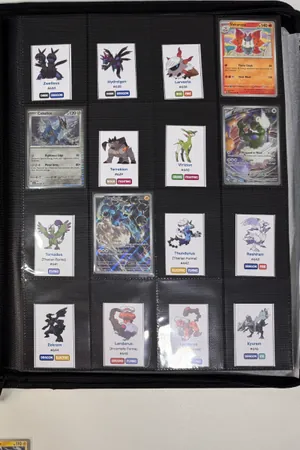
  • Best part:progress is visible. Your binder becomes a map of what you have and what you're missing.
Preview of the Pokédex Challenge system inside a binder

Mini benefits

  • Easier to start and keep going.
  • Opening packs is more fun: everything counts, even if nothing rare shows up.
  • Less pointless spending: completing sets often costs hundreds or thousands in boxes and singles (and you're still missing some).
  • Living collection: you can always improve it.

The "Upgrade" system (the fun part)

It's not about having the perfect card from day one.

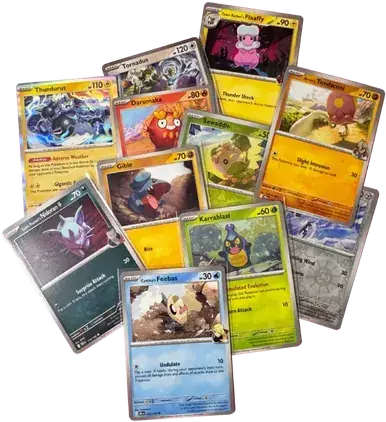
You start simple: any Pokémon card works. Then you upgrade whenever you feel like it.

Upgrade ideas (examples)

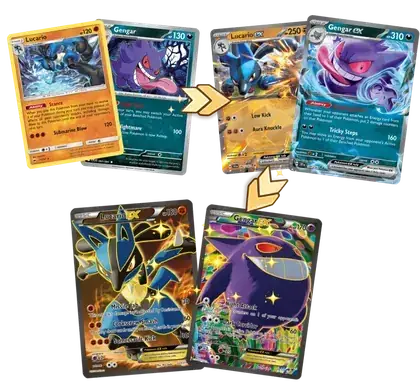
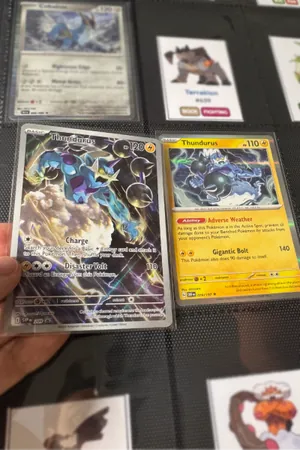
  • Normal → reverse/holo → full art
  • Basic card → card with better art
  • Duplicates → trades with other collectors

You're always moving forward: complete first, refine later. Progress matters. The "perfect card" can wait.

Examples of gradual upgrades in a Pokémon card collection

Where do I start? (quick guide)

If you want this to be easy to maintain, build the base first: Pokédex order + reserved slots. Then you fill and upgrade at your pace.

Build the base (binder + reserved slots)

At minimum you need:

  • A binder (where your Pokédex will live)
  • Pokédex Placeholders (highly recommended and free)

Placeholders are markers you put in the binder slots so each number has its place from day one.

  • You know exactly what's missing
  • You don't spend your life rearranging pages
  • Progress really shows (even if you start with few cards)

Fill and improve (with a system)

Now yes: any way of collecting counts (packs, trades or singles). The rule is simple:

  • When you get a card, remove the placeholder and insert the card
  • If you get a version you like more, upgrade (without messing up the binder)

Important: always card + sleeve + binder (never put cards directly in slots).

Guide to organize the binderSee the full “How to start” guide

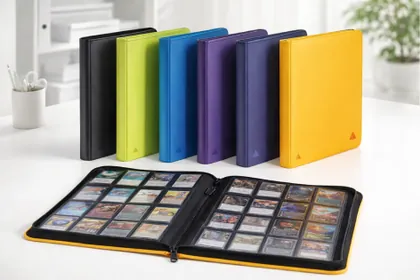
The binder (how to choose without messing up)

You can do it with one big binder or multiple. But if you want the method to be comfortable and the order to stay intact, this works best:

Our recommendation (the most comfortable):

  • Large binder for the main Pokédex.
  • Small binder for variants (regional, mega evolutions, gigantamax, etc.).
  • Optional: binder for Jumbo cards (XXL size). If you open blisters you'll likely find some, so it's best to have a place for them.

👉 In Pokémon TCG binders you'll find a list of recommended models by capacity, quality and price. See recommended binders.

Recommended binders for organizing Pokémon card collections

I have it all... now what?

Pokémon cards neatly arranged

Once you have the binder and placeholders ready, the next step is to place them properly before filling it.

If you want clear tips on Pokédex order, variants, placeholders and the replacement flow, check the guide How to start .

A key note about stock and language

Collecting isn't the same in every language. Choose based on stock, variety and budget.

English is usually more expensive and stock is more variable. Other languages can be easier to start with. Collect in the language you like most; you can even mix languages.

Now every pack counts—you no longer depend on one card to feel progress. Almost any new Pokémon brings you closer to a complete Pokédex.

Real example

Early progress

First cards in their slots.

Active upgrades

You swap and improve without pressure.

Living binder

You can clearly see what's missing.

Pokédex-with-placeholders FAQ

Do I have to buy singles or is opening packs enough?

Either way works. The method works with packs, trades and singles.

Does it have to be the exact card from a specific set?

No. The rule is simple: a card that represents the Pokémon. You can upgrade later if you want.

What about Pokémon with many forms?

You can choose: either ignore forms at first (simple mode) or separate them in a secondary binder (full mode). If you want examples and the recommended criteria, see the guide How to start .

Do I really need placeholders?

No, but they help a lot to organize and make progress visible. If you want details, visit Pokédex Placeholders .

Does this work if I've been collecting for years?

Yes. It's a powerful way to give meaning to the loose cards you already have.